
In preparation for the upcoming 17th International Congress on Systemic Lupus Erythematosus & 9th International Congress on Controversies in Rheumatology & Autoimmunity (Florence, 8-11 May 2027), we are pleased to announce a series of three online webinars.
Within this framework, the webinars represent an integral component of the congress programme and are designed to:
- Highlight and anticipate the main scientific themes of the Congress
- Maintain continuous dialogue with the scientific community in the period leading up to the event
- Progressively build engagement and strong anticipation for Florence 2027
The webinars will address key topics of high clinical and scientific relevance:
- SLE today: burden of disease and unmet needs
- Target definition in SLE
- Pitfalls and successes of trials in SLE
Through this pre-congress initiative, the webinars are intended to facilitate a more active and informed participation of the international community in the scientific program of the main event.
Program
Webinar 1 | 11 May 2026
🕔 5:00 - 6:00 PM, CEST
Topic: SLE today: burden of disease and unmet needs
Speaker: Jeanette Andersen
Chair: Marta Mosca
SLE is a chronic, multisystem autoimmune disease associated with significant morbidity, premature mortality, and progressive organ damage despite therapeutic advances. Although survival has improved, many patients fail to achieve sustained remission or low disease activity, and chronic glucocorticoid exposure remains a major driver of cumulative damage. Beyond organ involvement, fatigue, pain, and cognitive impairment substantially impair health-related quality of life and work productivity. Targeted biologic therapies have begun to improve disease control and reduce glucocorticoid dependence, offering the potential to lessen disease burden and long-term damage. This webinar will critically examine the current burden of SLE and discuss evidence-based approaches to address persistent gaps in care.
Webinar 2 | 12 October 2026
🕔 5:00 - 6:00 PM, CEST
Topic: Target definition in SLE
Speaker: Ronald F. van Vollenhoven
Chair: Andrea Doria
SLE is a heterogeneous autoimmune disease characterized by fluctuating disease activity, multisystem involvement, and progressive organ damage. The variability of clinical manifestations and the relapsing–remitting course of the disease make therapeutic decision-making complex and underscore the need for clearly defined treatment targets.
In recent years, the adoption of a treat-to-target (T2T) strategy in SLE has emerged as a paradigm shift, aiming to improve long-term outcomes through predefined, measurable goals. Definitions such as remission and low disease activity state (LLDAS) have been proposed and validated as clinically meaningful targets associated with reduced flare rates, lower glucocorticoid exposure, and decreased accrual of irreversible organ damage.
In this context, biologic therapies have expanded the therapeutic armamentarium, increasing the likelihood of reaching and maintaining predefined targets while enabling steroid-sparing approaches.
This webinar will critically review current target definitions in SLE, examine the supporting evidence linking target achievement to improved outcomes, and discuss practical implications for implementing a treat-to-target strategy in routine clinical practice.
Webinar 23 | 8 February 2027
🕔 5:00 - 6:00 PM, CEST
Topic: Pitfalls and success of trials in SLE
Speaker: Richard Alan Furie
Chair: Chiara Tani
Clinical trials in SLE are uniquely challenging due to marked disease heterogeneity, fluctuating activity, multisystem involvement, and the confounding effects of background immunosuppressive therapy. These factors have historically contributed to high placebo response rates and frequent trial failures despite strong biological rationale.
Methodological pitfalls include suboptimal patient stratification, limitations of composite endpoints (e.g., SRI, BICLA), and inadequate control of glucocorticoid tapering. However, recent successful studies demonstrate that improved trial design, biomarker-driven enrichment, and rigorous endpoint definition can translate pathophysiological insights into clinically meaningful outcomes. This webinar will review key determinants of failure and success in SLE trials and discuss strategies to optimize future study design.
The webinars will be held in English; CME accreditation is not provided.
About the Speakers
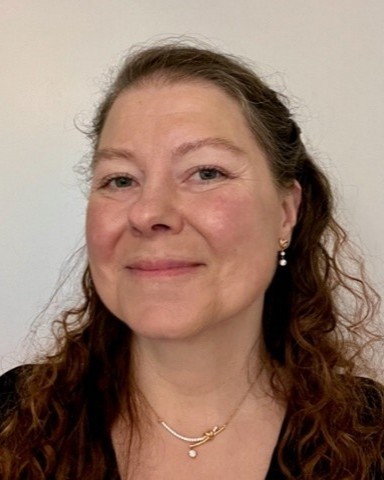
Jeanette Andersen
Jeanette Andersen is 46 years old, lives in Denmark and was diagnosed with SLE in 2011. She is the Chair of Lupus Europe, a EUPATI trained patient expert on medicines Research & Development and the leader of the Lupus Europe Patient Advisory Network. She is also a patient representative (or e-PAG) and a Steering Committee Member in ERN ReCONNET as well as a leader in the Danish Lupus group underneath Gigtforeningen (the Danish Rheumatism Association). She is a EULAR PARE Committee Member; part of the EULAR Congress PARE programme WG, leader of the international PARE WG and Chair of the EULAR PARE Education & Research Sub-Committee.
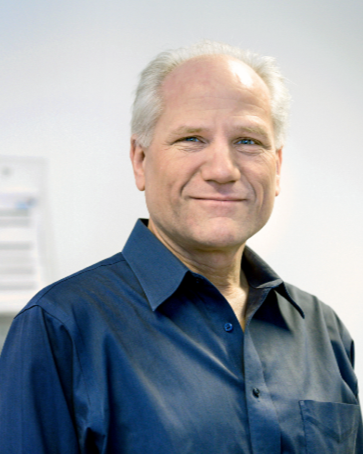
Prof. Ronald F. van Vollenhoven
Professor Ronald F. van Vollenhoven is a rheumatologist at the Department of Rheumatology and Clinical Immunology at Amsterdam UMC and Director of the Amsterdam Rheumatology Center in the Netherlands. He received his MD and PhD from the University of Leiden and completed specialty training in Internal Medicine and Rheumatology in the United States at SUNY Stony Brook and Stanford University. He previously served as Assistant Professor at Stanford University and later as Professor at the Karolinska Institute in Stockholm. Since 2016 he has been Professor of Rheumatology at the University of Amsterdam and Amsterdam UMC. His research focuses on biological and immunomodulatory treatments for rheumatic diseases.
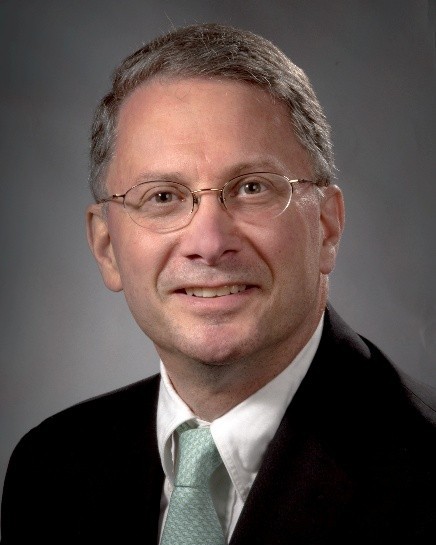
Dr. Richard Furie
Dr. Richard Furie, Chief of the Division of Rheumatology at Northwell Health, is a rheumatologist whose activities for the last several decades have focused on patient care, physician education, and clinical research in the area of anti-rheumatic drug development. He directs The Program in Novel Therapeutics, the Health System’s clinical research program in musculoskeletal disease. He also directs the Hospital’s SLE and Autoimmune Disease Treatment Center, which has become internationally recognized for its role in the development of new therapies for SLE. Regarded as one of the senior rheumatologists in the New York metropolitan area, he has served as a volunteer for the Arthritis Foundation, the Lupus Foundation of America, the Lupus Research Alliance, and Lupus Therapeutics. For over twenty years he served on many committees of the American College of Rheumatology and was named a Master of the College in 2018.
Registration
The webinars are limited to a maximum of 500 participants and participation is granted on a first-come, first-served basis.
Participation in each session is free of charge but requires completion of the following online registration form.
A few days before the selected webinar, registered participants will receive instructions on how to access the session.
Sponsors
Contacts
Scientific Secretariat
Marta Mosca, Andrea Doria, Chiara Tani
Organizing Secretariat
AIM Group International | AIM Italy
Viale E. Forlanini, 23 20134, Milan (Italy)